Anti-Aging and Tea (Part 1): Aging ≠ Senescence — The Nature of Aging and What to Do
Aging is not just the number of candles on a cake. At its core, it is a slow, body-wide decline driven largely by chronic low-grade inflammation. Scientists call this process "inflammaging." The encouraging news is that some of its drivers — especially gut dysbiosis and systemic inflammation — are modifiable by lifestyle, and tea can play a meaningful supporting role.
1. What Really Happens When We Age
From cells to systems, aging is a multi-track retreat. Inside the cell, telomeres shorten with every division, mitochondria lose their energy-producing efficiency, and autophagy — the cellular cleanup crew — slows down. Across the body, the brain, immune system, metabolism, and skin all show signs of wear.
At first glance these changes look separate, but they share a common engine: chronic low-grade inflammation. It quietly damages tissue, disrupts signaling, and accelerates decline long before symptoms become obvious.
2. Anti-Aging Is Not Anti-Birthday
Anti-aging is not about staying 18 forever. It is about extending healthspan — the number of years you remain active, clear-minded, and free from chronic disease. The real goal is to be 60 with the energy of 50, or 80 without daily medication and pain.
The markers that matter are systemic inflammation, insulin sensitivity, mitochondrial function, gut flora stability, and cognitive reserve. Track and improve these, and your biological age can lag behind your calendar age.
3. The Hidden Starting Point: Your Gut
Among all the factors above, the gut is one of the earliest and most actionable. When beneficial bacteria decline and harmful microbes gain ground, the intestinal barrier weakens — a condition often called "leaky gut." Bacterial toxins such as lipopolysaccharides (LPS) then slip into the bloodstream, keeping the immune system on chronic alert.
This persistent inflammatory signal travels along the gut-brain axis, affecting neurotransmitter production, damaging the hippocampus, and disrupting sleep and mood. In other words, many symptoms we blame on "getting old" actually begin in the gut.
4. Where Tea Fits In
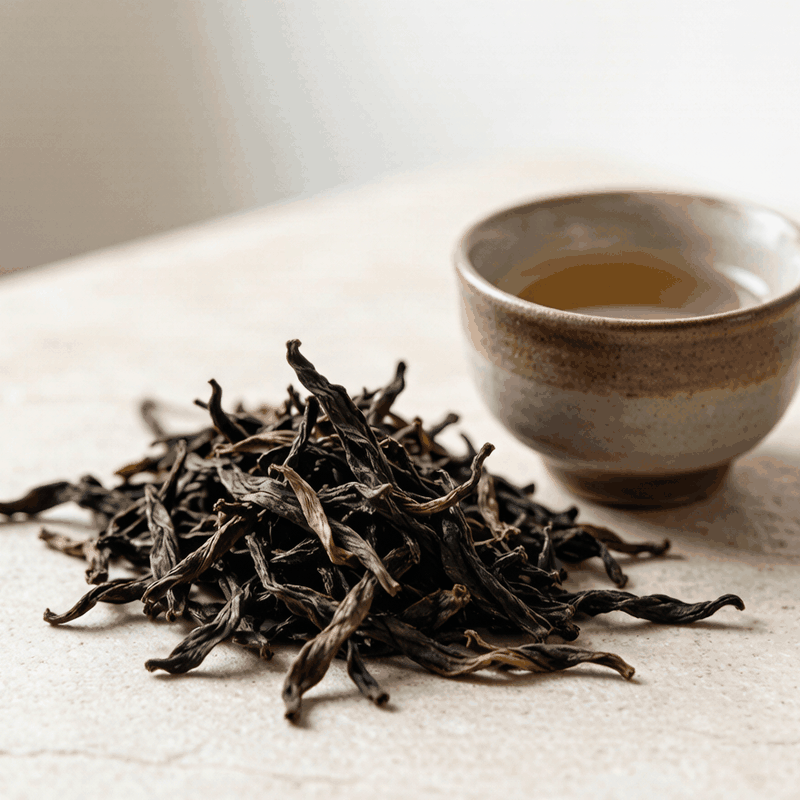
Tea is famous for antioxidants, but fermented teas such as ripe pu-erh offer something deeper. Microbial fermentation produces bioactive compounds that help repair the gut lining, lower endotoxin entry, and promote short-chain fatty acids like butyrate. These fatty acids calm inflammation and stabilize gut-brain signaling.
At the same time, tea polyphenols provide gentle antioxidant protection for neurons and mitochondria. The result is not a dramatic reversal, but steady, daily systems maintenance: a little less inflammation, a little better gut balance, and a slightly slower biological clock.
5. How to Drink for Aging Well
For gut and inflammation support, choose fermented teas like ripe pu-erh. For antioxidant coverage, green tea is excellent. Aim for 2–4 weak, unsweetened cups a day, and keep the habit long-term. Adding sugar or milk undermines the benefits.
Tea supports a healthy lifestyle; it does not replace medication or medical advice. If you have a sensitive stomach, limit strong green tea; avoid tea before bed; and pregnant, breastfeeding, or anemic individuals should drink in moderation.
FAQ
Q: What tea is best for anti-aging? Fermented teas like ripe pu-erh support the gut and inflammation response; green tea adds antioxidant support. Rotating both is a practical approach.
Q: Can tea reverse aging? No. Tea cannot reverse age, but it may slow biological aging through anti-inflammatory and gut-supporting pathways.
Q: How much tea per day? Most healthy adults do well with 2–4 weak cups (about 5–15 g of leaf), adjusted to individual tolerance.