
Anti-Aging and Tea (Part 2): Antioxidants Are Surface Work — Fighting Inflammation Is the Root
Antioxidants are like fire extinguishers, but chronic inflammation is a house with broken windows. If you only put out fires and never fix the draft, the flames keep coming back. What really controls the speed of aging is internal inflammation — and fermented ripe tea works like a fire-prevention officer rather than a firefighter.
1. Why Antioxidants Alone Cannot Save You
Free radicals damage cells, so skincare and supplements love to talk about antioxidants. But free radicals are only sparks; chronic inflammation is the wind that turns sparks into wildfires. When low-grade inflammation is present, the body’s redox balance breaks down and free radicals spiral out of control. The result: expensive serums leave skin still dull, and piles of supplements leave the mind foggy.
2. How Inflammation Steals Your Glow and Your Mind
Gut dysbiosis weakens the intestinal barrier, creating "leaky gut." Bacterial toxins such as lipopolysaccharides (LPS) slip into the blood, putting the immune system on permanent alert. This chronic inflammation attacks on two fronts.
First, it destroys skin structure. Inflammatory signals activate matrix metalloproteinases (MMPs), enzymes that snip collagen and elastin. That leads to sagging, dullness, and fine lines — no matter how much collagen you swallow.
Second, it dulls the brain. Through the gut-brain axis, inflammation disrupts serotonin and dopamine production and can damage the hippocampus, causing memory decline, anxiety, and fragmented sleep.
3. Ripe Tea: From Firefighter to Fire Prevention Officer
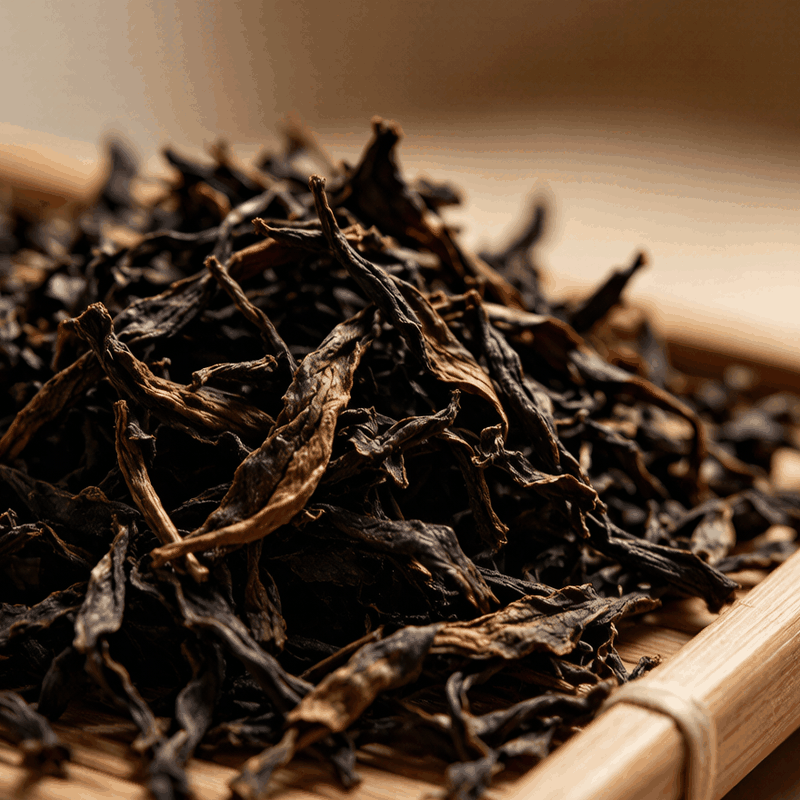
Green tea and young raw tea are rich in EGCG, acting like a fast firefighting squad. But they can be harsh on sensitive stomachs and may worsen gut-barrier issues. After microbial fermentation, ripe pu-erh changes its role. Its key compound, theabrownin, focuses on prevention.
First, it repairs the leaking wall. Theabrownin improves the gut environment, suppresses harmful bacteria, and helps restore the intestinal lining. That keeps LPS outside the bloodstream and removes the fuel for inflammation.
Second, it feeds the good bacteria. Tea polysaccharides and water-soluble pectin feed beneficial microbes, which then produce short-chain fatty acids (SCFAs) — the same inflammation-calming molecules found in abundance in healthy centenarians.
4. How to Drink for Anti-Inflammatory Benefits
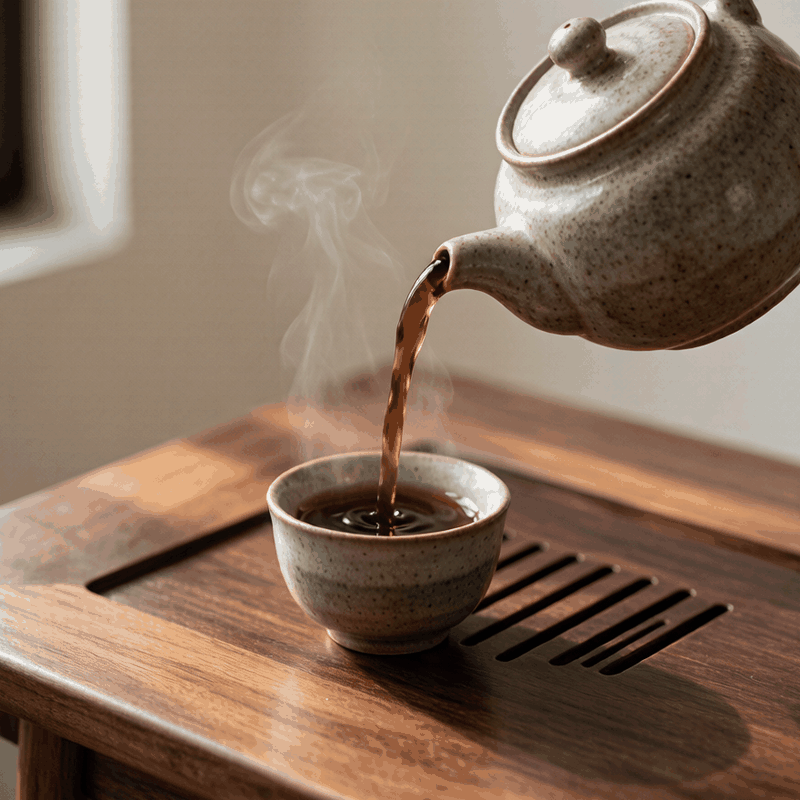
Make fermented ripe tea part of your daily routine: weak, unsweetened, and consistent. It is not skincare in a cup, and it does not replace medical treatment. It simply helps your body set fewer fires. People with sensitive stomachs should limit strong green tea, avoid tea before bed, and pregnant, breastfeeding, or anemic individuals should drink in moderation.
FAQ
Q: Which matters more, antioxidants or anti-inflammation? Antioxidants put out fires; anti-inflammation fixes the broken windows. Once inflammation drops, free radicals become far easier to control.
Q: Which tea is most anti-inflammatory? Fermented teas like ripe pu-erh target inflammation at the gut source. Green tea is stronger on antioxidants but can be harsh for sensitive stomachs.
Q: How long until I notice a difference? Tea works gradually. Try 2–4 weak cups daily for 4–8 weeks before judging changes.