
Can a Daily Cup of Tea Keep Diabetes Away? What Science Says
Worldwide, over 500 million people live with diabetes, and the number keeps climbing—about 1 in 10 adults—with another roughly 1 in 3 sitting in the pre-diabetic stage. The good news: type 2 diabetes is largely preventable, and the cup of tea in your hand may be the most overlooked line of defense. That turns a simple daily habit into something worth taking seriously.
1. Why Modern Lifestyles Raise the Risk
A diet of refined grains low in fiber, sedentary living and chronic stress and sleep loss combine to burn out the pancreas early. Whatever your background, these habits quietly strain insulin production.
2. The Golden Window: Pre-diabetes Is Reversible
Pre-diabetes means fasting glucose of 5.6–6.9 mmol/L or a 2-hour post-meal reading of 7.8–11.0 mmol/L—the last real window. Swapping in whole grains, walking 30 minutes a day and adding tea can pull blood sugar back to normal.
3. Six Ways Tea Fights Diabetes
1. Protects beta cells: green tea EGCG clears reactive oxygen species and limits damage to the beta cells—the "factory" that makes insulin.
2. Improves insulin resistance: EGCG activates AMPK and inhibits JNK, helping cells respond to insulin again; think of it as de-rusting a lock rather than replacing it.
3. Slows sugar absorption: tea polyphenols inhibit α-glucosidase and α-amylase, so carbs turn into glucose more slowly—like acarbose, but gentler.
4. Nurtures gut flora: raises Akkermansia, bifidobacteria and lactobacilli, tightening the gut barrier and lowering inflammation that would otherwise reach the bloodstream.
5. Antioxidant: activates Nrf2 so the body makes more of its own antioxidant enzymes.
6. Anti-inflammatory: EGCG switches off NF-κB, lowering CRP, TNF-α and IL-6—the慢性炎症 behind insulin resistance.
4. It Even Helps with Complications
Kidney (a Brazil trial: green tea extract cut albuminuria), retinopathy (a Shantou study: 50% lower risk with long-term green tea), neuropathy, and cardiovascular disease (a Kuwait trial: 1 year of black tea lowered HbA1c and inflammatory markers)—tea defends on several fronts.
5. How to Drink It Right
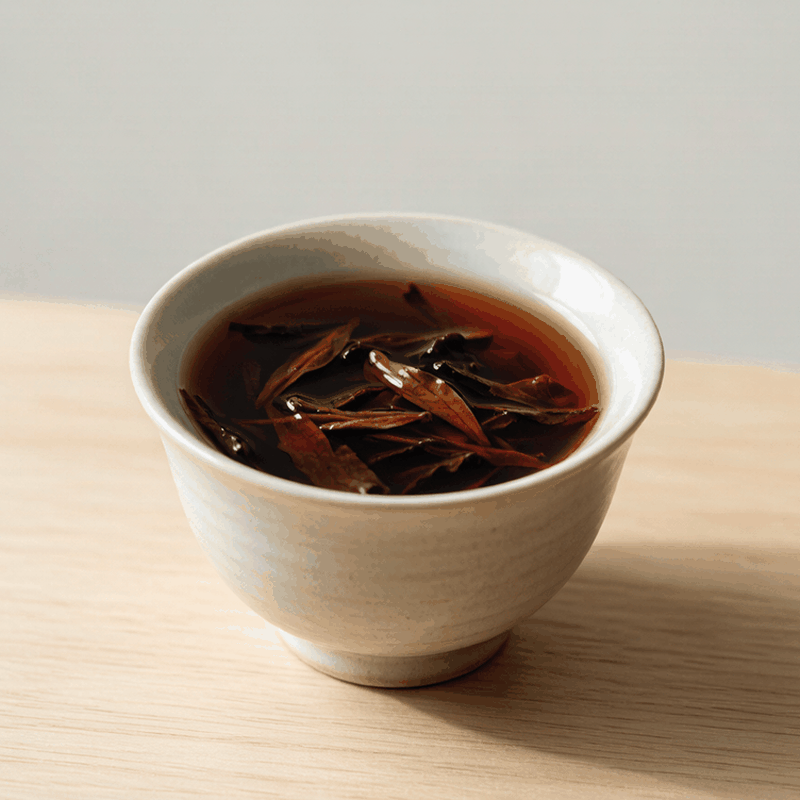
Green tea has the most EGCG for beta-cell protection; oolong or black tea is gentler for sensitive stomachs; ripe pu-erh helps the gut and lipids. Use 5–15 g of leaf daily (1–3 brews), weak, unsweetened and not too strong—consistency is what works. Tea is prevention, never a substitute for medication. Those with weak stomachs limit strong green tea; avoid it before bed, and pregnant or breastfeeding women and the anemic should drink in moderation.
6. The Bottom Line
Tea is a bonus, not a cure. What truly keeps diabetes away is fewer refined grains and more vegetables, less sitting and more walking, less late-night stress and more routine—plus a daily cup of tea, kept up over time.
FAQ
Q: Which tea is best? Each has a strength: green tea leads on EGCG for beta-cell protection, oolong or black is gentler for sensitive stomachs, and ripe pu-erh supports the gut and lipid control.
Q: Can tea replace diabetes medication? Never. Tea works at the prevention level, not as treatment; diagnosed patients must follow their prescribed therapy.
Q: How much per day? About 5–15 g of leaf (1–3 brews), kept weak and unsweetened. The effect comes from drinking it consistently over time, not from two cups alone.